
Super Fast Charger
Power Your Journey, Effortlessly
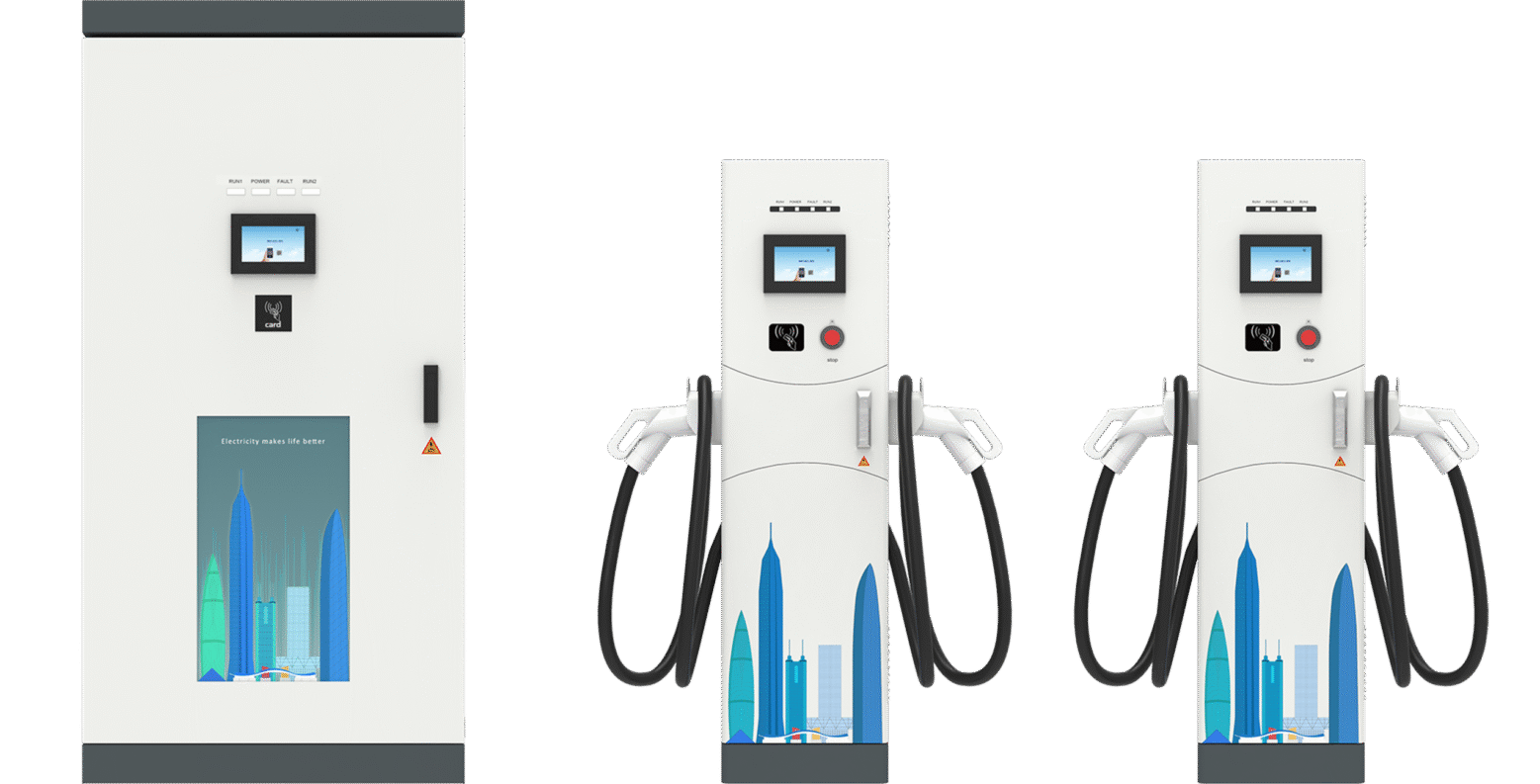
Our 360-480kW ultra-fast charging system is the pinnacle of EV technology, designed for future-proof charging corridors and heavy-duty electric vehicles.
Super Fast Charger
Our 360-480kW ultra-fast charging system is the pinnacle of EV technology, designed for future-proof charging corridors and heavy-duty electric vehicles.
Redefine the Limits of EV Charging Speed
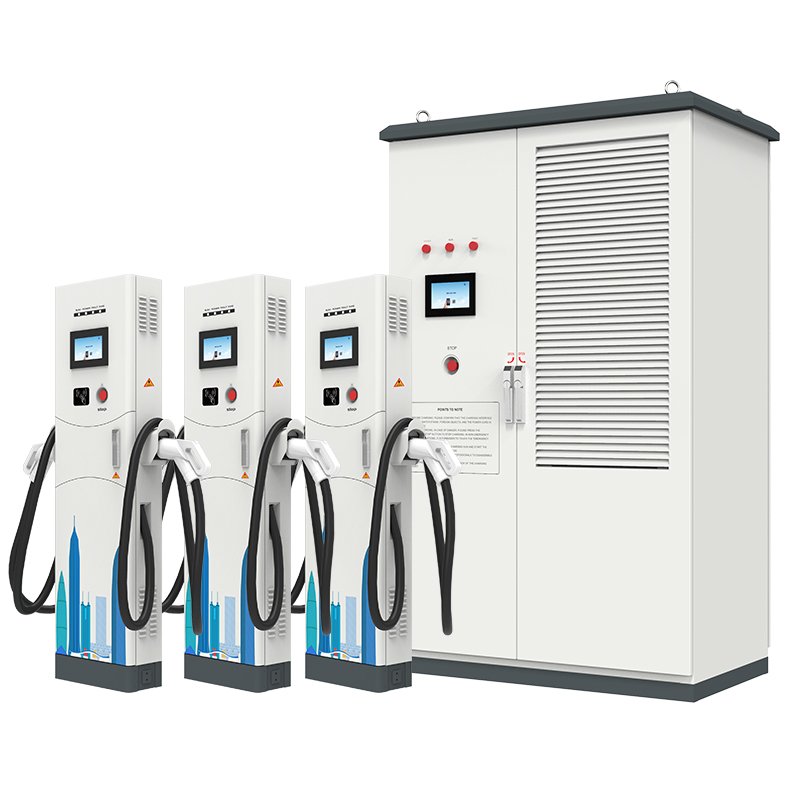
Pushing the boundaries of what’s possible, this ultra-fast charging solution is engineered for the next generation of electric vehicles. Its split design separates the power cabinet from the dispenser, allowing for a smaller charging footprint and centralized power management. This system is ideal for meeting the extreme power demands of electric trucks, buses, and high-performance cars, delivering hundreds of kilometers of range in just minutes.
Redefine the Limits of EV Charging Speed
Pushing the boundaries of what’s possible, this ultra-fast charging solution is engineered for the next generation of electric vehicles. Its split design separates the power cabinet from the dispenser, allowing for a smaller charging footprint and centralized power management. This system is ideal for meeting the extreme power demands of electric trucks, buses, and high-performance cars, delivering hundreds of kilometers of range in just minutes.
| Model | MegaSail Series | |
|---|---|---|
| Max Output Power | 360kW | 480kW |
| Power Supply | 3P+N+PE | |
| Nominal Input Voltage | 380-400V±15% | |
| Mximum Output Current (dispenser) | 250A | |
| Frequency | 45-65Hz | |
| Working Humidity | 5-95% | |
| Working Temperature | -25-55℃ | |
| Storage Temperature | -40-70℃ | |
| Cooling | Air cooled | |
| Charger Connector | CCS2 /GBT | |
| Cable Length | 5m | |
| LED Display | 7" Touch Screen | |
| Mounting | Floor-standing | |
| WiFi | Yes | |
| Ethernet/LAN | Yes | |
| 4G/SIM | Optional | |
| OCPP 1.6J | Optional | |
| Ingress Protection | IP54 | |
| Safety Protections | Over current, under voltage, residual current, surge protection, leakage protection, short circuit, over temperature, etc. | |
| Warranty | 2 years | |
FAQs
1. Understanding EV Charging
Q: What are the different levels of EV charging?
A: There are three primary levels:
-
Level 1 (120V): Uses a standard household outlet. It’s the slowest method, providing about 2-5 miles of range per hour. Best for overnight charging or for plug-in hybrids.
-
Level 2 (240V): The most common for home and public charging. It requires a dedicated charging station and provides 12-80 miles of range per hour. Ideal for daily use and fully charging most EVs overnight.
-
DC Fast Charging (DCFC): The fastest option, found at public stations. It can charge an EV to 80% in as little as 20-40 minutes. Not all EVs are equipped for DCFC.
Q: What is the difference between AC and DC charging?
A: Your EV’s battery stores DC (Direct Current) power. The onboard charger in your car converts AC (Alternating Current) from the grid to DC.
-
Level 1 & 2 Chargers supply AC power, relying on the car’s onboard charger for conversion. The speed is limited by the car’s converter.
-
DC Fast Chargers bypass the car’s onboard charger, supplying DC power directly to the battery, enabling much faster charging.
Q: How long does it take to charge an electric car?
A: Charging time depends on your EV’s battery size, the station’s power output (kW), and your car’s maximum acceptance rate. For example, using a Level 2 charger (7.4 kW – 11.5 kW), a typical EV with a 60 kWh battery can be fully charged from empty in 6-10 hours. DC Fast Chargers can achieve an 80% charge in under an hour.
2. Before You Buy
Q: Which charging station is right for my electric vehicle?
A: Most modern EVs are compatible with Level 2 stations, which we recommend for home use. The key is to check the connector type. In North America, the J1772 connector is the standard for Level 1 and 2 charging. All non-Tesla EVs use this. Tesla vehicles can use a J1772 station with the adapter provided with the car.
Q: Do I need a professional electrician to install my charger?
A: Yes, we highly recommend it. Installing a Level 2 charger requires a dedicated 240V circuit, similar to an electric dryer or oven. A licensed electrician will ensure the installation is safe, up to code, and properly configured.
Q: What should I check before purchasing a home charging station?
A:
-
Your Electrical Panel: Ensure you have the capacity for a new 240V circuit.
-
Amperage: Choose a station that matches your electrical setup (e.g., 16A, 32A, 40A, 48A). Higher amperage means faster charging.
-
Cable Length: Select a cable long enough to reach your car’s charging port from the installed location.
-
Wi-Fi/Smart Features: Decide if you want features like scheduling, energy monitoring, and remote control via a smartphone app.
3. Smart Features & Operation
Q: What are the benefits of a Wi-Fi connected “smart” charger?
A: Smart chargers offer enhanced control and efficiency:
-
Schedule Charging: Set charging to occur during off-peak electricity hours to save money.
-
Remote Monitoring: Start, stop, or monitor charging sessions from your phone.
-
Energy Tracking: See your charging history, costs, and carbon footprint savings.
-
Receive Firmware Updates: Your charger improves over time with automatic updates.
Q: How do I control and monitor my charging sessions?
A: For smart models, you can control everything through a dedicated mobile app. For basic models, you can typically start a session by simply plugging in the connector. Some models also have buttons or an RFID card for access control.
4. Troubleshooting & Support
Q: What should I do if my charger isn’t working?
A:
-
Check the Basics: Ensure the unit is securely plugged into the socket (if portable) and that the circuit breaker in your electrical panel hasn’t tripped.
-
Inspect the Connector: Make sure the connector is fully inserted into your car’s inlet.
-
Check the Lights: Refer to the user manual for the status LED indicators. They will usually tell you if there’s a fault, a connectivity issue, or if it’s charging normally.
-
Restart the Unit: If safe to do so, turn the circuit breaker off and on again.
-
Contact Support: If the issue persists, contact our customer support team with the model number and a description of the LED light pattern.
Q: Why is my car charging slower than expected?
A: Several factors can cause this:
-
Vehicle Settings: Your car might be set to charge at a reduced current or scheduled for a later time.
-
Temperature: Extreme cold can reduce battery efficiency and charging speed.
-
Shared Circuit: Other high-power appliances on the same circuit can reduce available power.
-
Battery State: Charging naturally slows down as the battery approaches full capacity to protect it.
5. Product Warranty
Q: Is there a warranty on your products?
A: Yes! We stand behind the quality of our products. Most of our charging stations come with a standard 2-year warranty. Please check the specific product page for detailed warranty terms and conditions.
You May Also Like

SpeedSail Series
Compact wall-mounted DC fast charging. Stable, efficient, ideal for commercial & community sites.
PowerSail Series
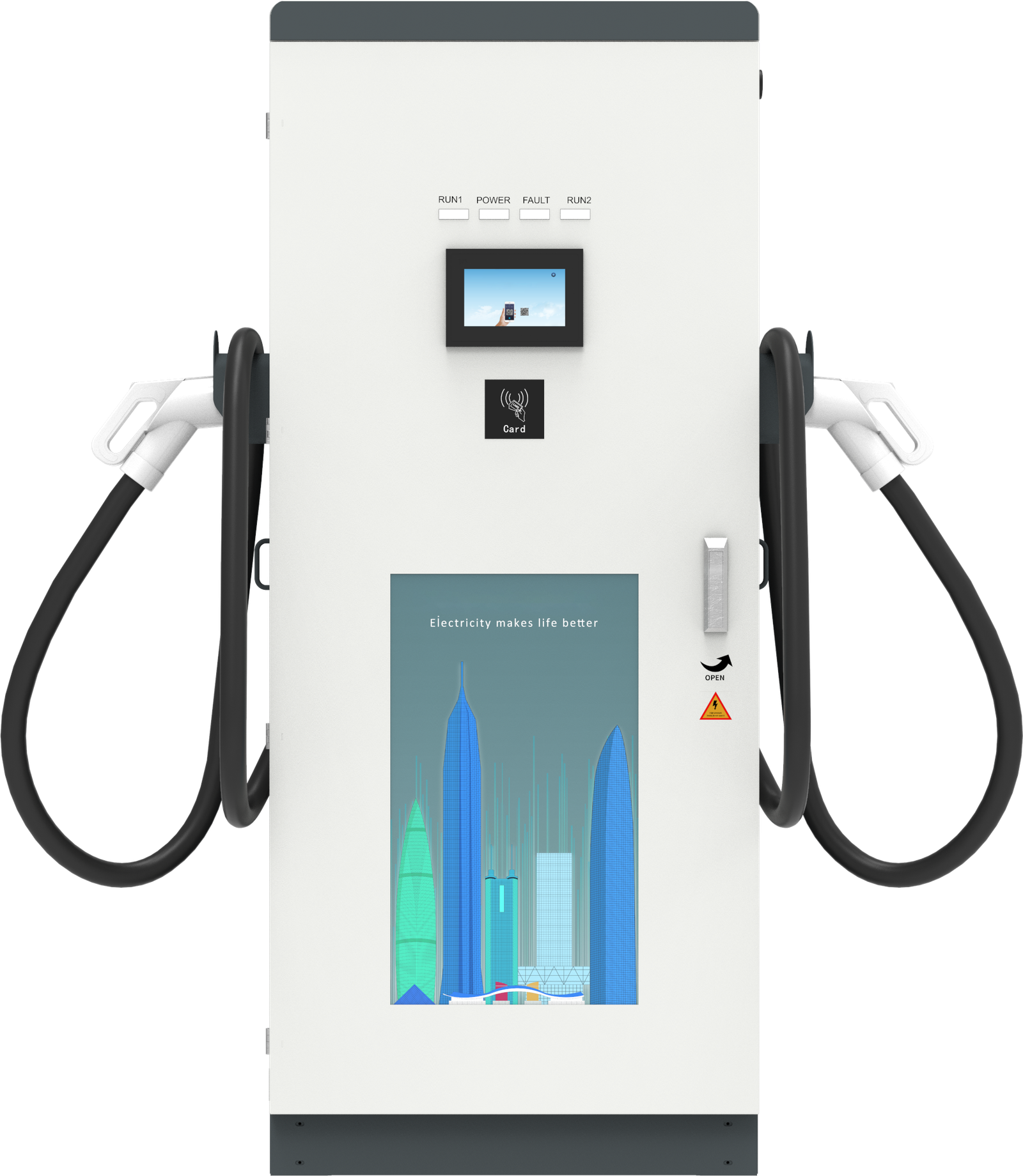
High-power DC fast charging for public stations. Strong performance, high efficiency, heavy-duty operation.
GoSail Series
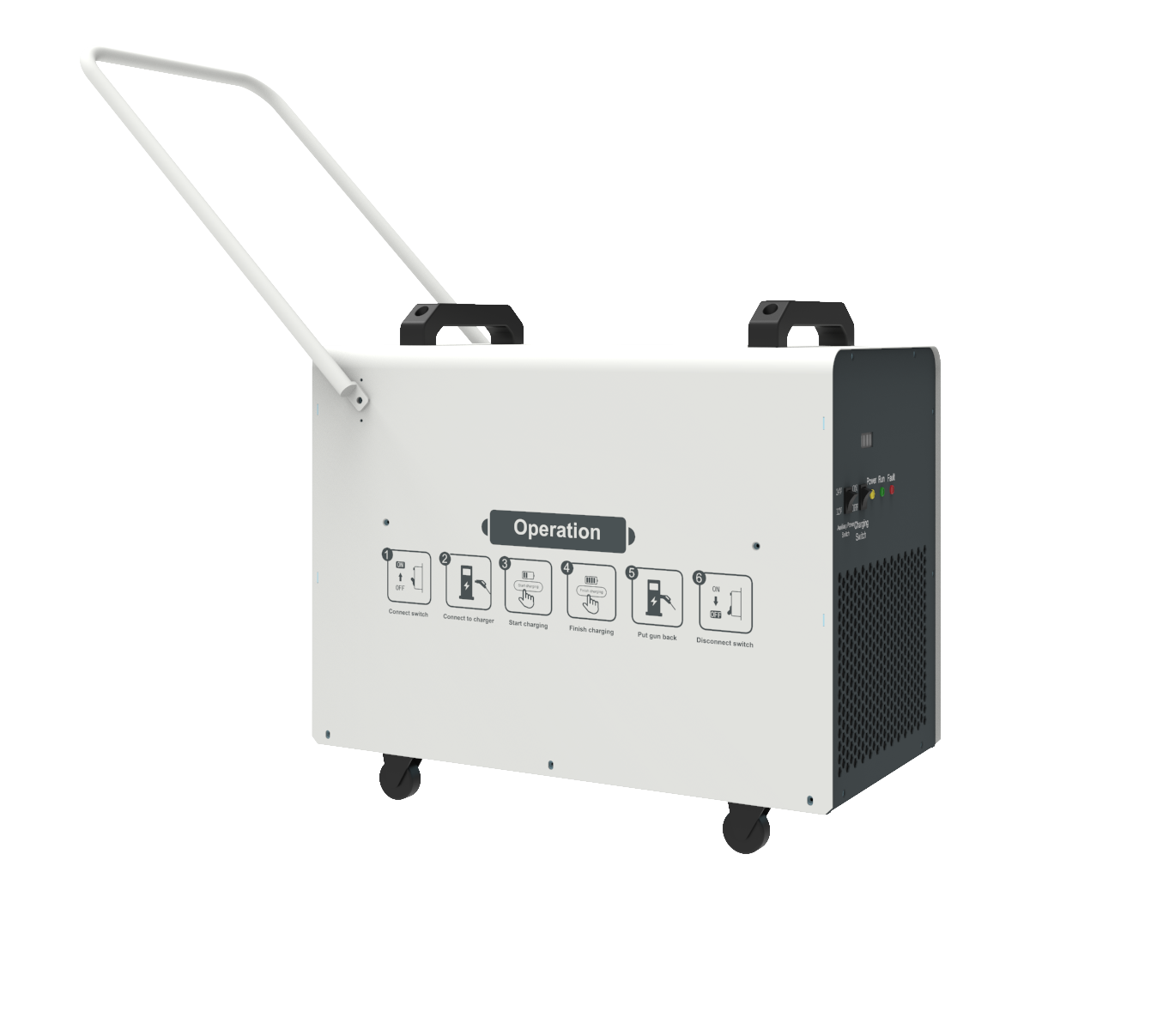
Mobile fast charging with high compatibility. Flexible, lightweight, for emergency & on-the-go use.
You May Also Like
SpeedSail Series
Compact wall-mounted DC fast charging. Stable, efficient, ideal for commercial & community sites.
PowerSail Series
High-power DC fast charging for public stations. Strong performance, high efficiency, heavy-duty operation.
GoSail Series
Mobile fast charging with high compatibility. Flexible, lightweight, for emergency & on-the-go use.
You May Also Like
SpeedSail Series
Compact wall-mounted DC fast charging. Stable, efficient, ideal for commercial & community sites.
PowerSail Series
High-power DC fast charging for public stations. Strong performance, high efficiency, heavy-duty operation.
GoSail Series
Mobile fast charging with high compatibility. Flexible, lightweight, for emergency & on-the-go use.
Interested in the Ultra Fast DC Charger?
Contact our sales team to discuss your requirements and get a customized solution.