
Commercial AC Wallbox
Power Your Journey, Effortlessly
Robust 7-22kW AC commercial charging stations built for reliability in public parking, fleets, and workplace environments. Available in wall-mounted and pedestal models.
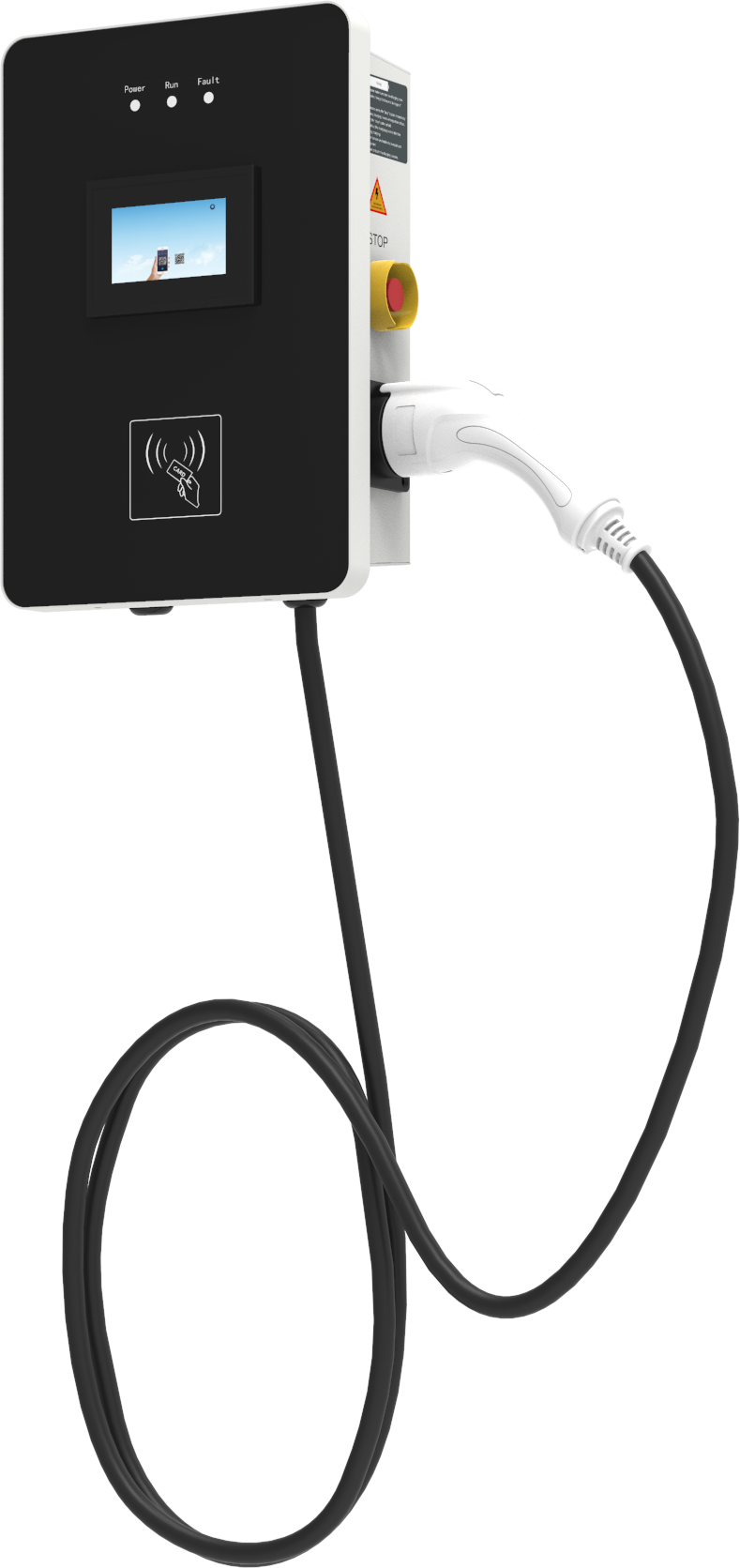
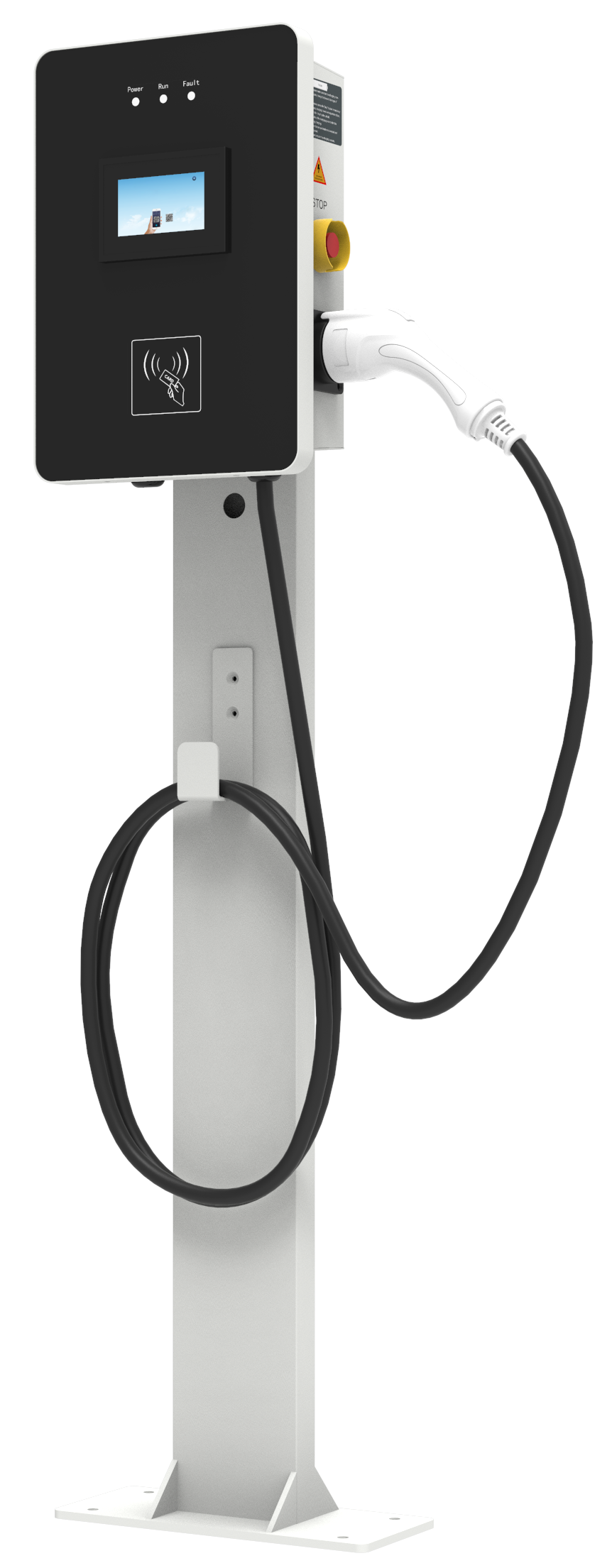
Power Your Commercial EV Charging Business
Designed for continuous operation and ease of management, our commercial AC charging stations are the ideal solution for businesses looking to enter the EV market or support an electric fleet. With a power output from 7kW to 22kW, they balance charging speed with grid demand. The durable construction, coupled with versatile installation options, ensures they meet the demands of high-traffic commercial applications, providing a dependable service to drivers and a seamless revenue stream for operators.
| Model | ProSail Series | ||
|---|---|---|---|
| Max Output Power | 7kW | 11kW | 22kW |
| Power Supply | 1P+N+PE | 3P+N+PE | |
| Nominal Input Voltage | 110-220V±15% | ||
| Mximum Output Current | 32A | 16 | 32A |
| Frequency | 50Hz/60Hz | ||
| Working Humidity | 5-95% | ||
| Working Temperature | -25-55℃ | ||
| Storage Temperature | -40-70℃ | ||
| Cooling | Air cooled | ||
| Charger Connector | Type 2 /GBT | ||
| Cable Length | 5m | ||
| LED Display | 4.3" Touch Screen | ||
| Mounting | wall-mounted / pole-mounted | ||
| WiFi | Yes | ||
| Ethernet/LAN | Yes | ||
| 4G/SIM | Optional | ||
| OCPP 1.6J | Optional | ||
| Ingress Protection | IP54 | ||
| Safety Protections | Over current, under voltage, residual current, surge protection, leakage protection, short circuit, over temperature, etc. | ||
| Warranty | 2 years | ||
FAQs
1. Understanding EV Charging
Q: What are the different levels of EV charging?
A: There are three primary levels:
-
Level 1 (120V): Uses a standard household outlet. It’s the slowest method, providing about 2-5 miles of range per hour. Best for overnight charging or for plug-in hybrids.
-
Level 2 (240V): The most common for home and public charging. It requires a dedicated charging station and provides 12-80 miles of range per hour. Ideal for daily use and fully charging most EVs overnight.
-
DC Fast Charging (DCFC): The fastest option, found at public stations. It can charge an EV to 80% in as little as 20-40 minutes. Not all EVs are equipped for DCFC.
Q: What is the difference between AC and DC charging?
A: Your EV’s battery stores DC (Direct Current) power. The onboard charger in your car converts AC (Alternating Current) from the grid to DC.
-
Level 1 & 2 Chargers supply AC power, relying on the car’s onboard charger for conversion. The speed is limited by the car’s converter.
-
DC Fast Chargers bypass the car’s onboard charger, supplying DC power directly to the battery, enabling much faster charging.
Q: How long does it take to charge an electric car?
A: Charging time depends on your EV’s battery size, the station’s power output (kW), and your car’s maximum acceptance rate. For example, using a Level 2 charger (7.4 kW – 11.5 kW), a typical EV with a 60 kWh battery can be fully charged from empty in 6-10 hours. DC Fast Chargers can achieve an 80% charge in under an hour.
2. Before You Buy
Q: Which charging station is right for my electric vehicle?
A: Most modern EVs are compatible with Level 2 stations, which we recommend for home use. The key is to check the connector type. In North America, the J1772 connector is the standard for Level 1 and 2 charging. All non-Tesla EVs use this. Tesla vehicles can use a J1772 station with the adapter provided with the car.
Q: Do I need a professional electrician to install my charger?
A: Yes, we highly recommend it. Installing a Level 2 charger requires a dedicated 240V circuit, similar to an electric dryer or oven. A licensed electrician will ensure the installation is safe, up to code, and properly configured.
Q: What should I check before purchasing a home charging station?
A:
-
Your Electrical Panel: Ensure you have the capacity for a new 240V circuit.
-
Amperage: Choose a station that matches your electrical setup (e.g., 16A, 32A, 40A, 48A). Higher amperage means faster charging.
-
Cable Length: Select a cable long enough to reach your car’s charging port from the installed location.
-
Wi-Fi/Smart Features: Decide if you want features like scheduling, energy monitoring, and remote control via a smartphone app.
3. Smart Features & Operation
Q: What are the benefits of a Wi-Fi connected “smart” charger?
A: Smart chargers offer enhanced control and efficiency:
-
Schedule Charging: Set charging to occur during off-peak electricity hours to save money.
-
Remote Monitoring: Start, stop, or monitor charging sessions from your phone.
-
Energy Tracking: See your charging history, costs, and carbon footprint savings.
-
Receive Firmware Updates: Your charger improves over time with automatic updates.
Q: How do I control and monitor my charging sessions?
A: For smart models, you can control everything through a dedicated mobile app. For basic models, you can typically start a session by simply plugging in the connector. Some models also have buttons or an RFID card for access control.
4. Troubleshooting & Support
Q: What should I do if my charger isn’t working?
A:
-
Check the Basics: Ensure the unit is securely plugged into the socket (if portable) and that the circuit breaker in your electrical panel hasn’t tripped.
-
Inspect the Connector: Make sure the connector is fully inserted into your car’s inlet.
-
Check the Lights: Refer to the user manual for the status LED indicators. They will usually tell you if there’s a fault, a connectivity issue, or if it’s charging normally.
-
Restart the Unit: If safe to do so, turn the circuit breaker off and on again.
-
Contact Support: If the issue persists, contact our customer support team with the model number and a description of the LED light pattern.
Q: Why is my car charging slower than expected?
A: Several factors can cause this:
-
Vehicle Settings: Your car might be set to charge at a reduced current or scheduled for a later time.
-
Temperature: Extreme cold can reduce battery efficiency and charging speed.
-
Shared Circuit: Other high-power appliances on the same circuit can reduce available power.
-
Battery State: Charging naturally slows down as the battery approaches full capacity to protect it.
5. Product Warranty
Q: Is there a warranty on your products?
A: Yes! We stand behind the quality of our products. Most of our charging stations come with a standard 2-year warranty. Please check the specific product page for detailed warranty terms and conditions.
You May Also Like

HomeSail Series
Stable home charging. Safe, reliable, efficient, and easy to install..
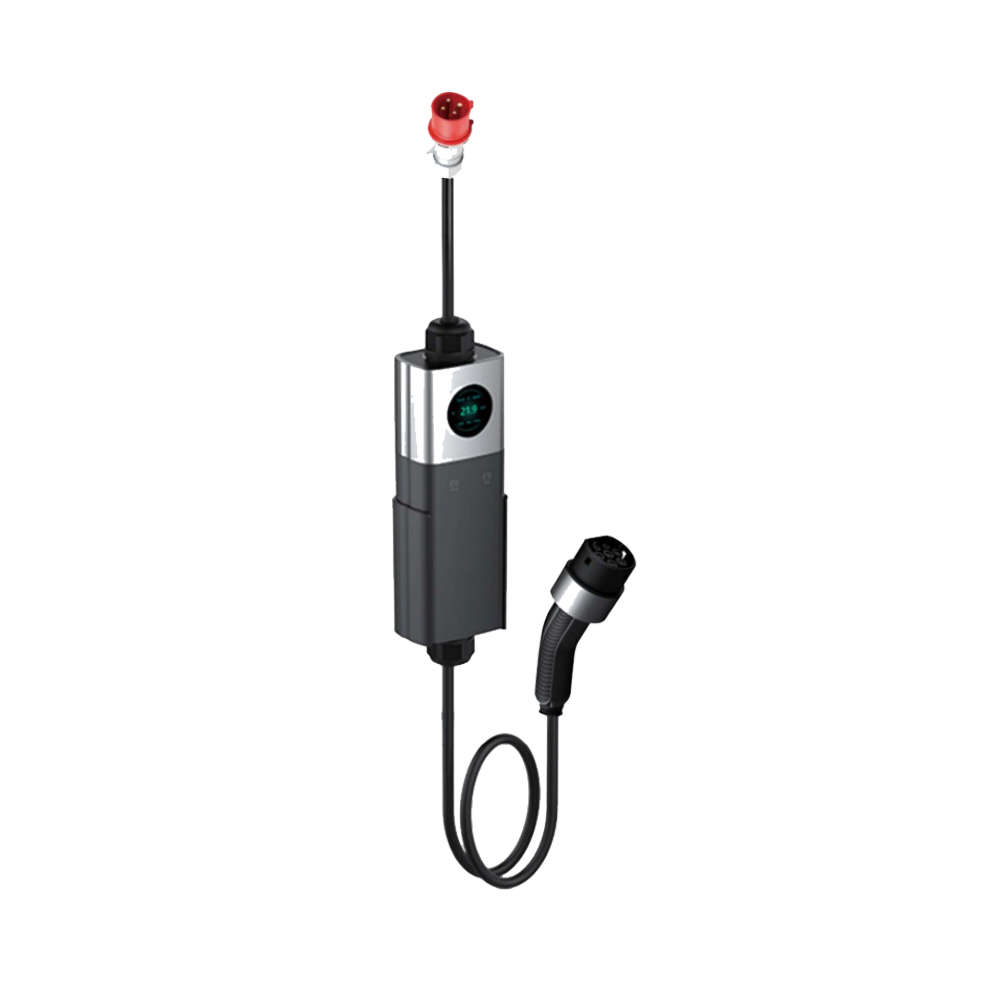
MiniSail Series
Compact wall-mounted AC charging. Durable, space-saving for business sites.
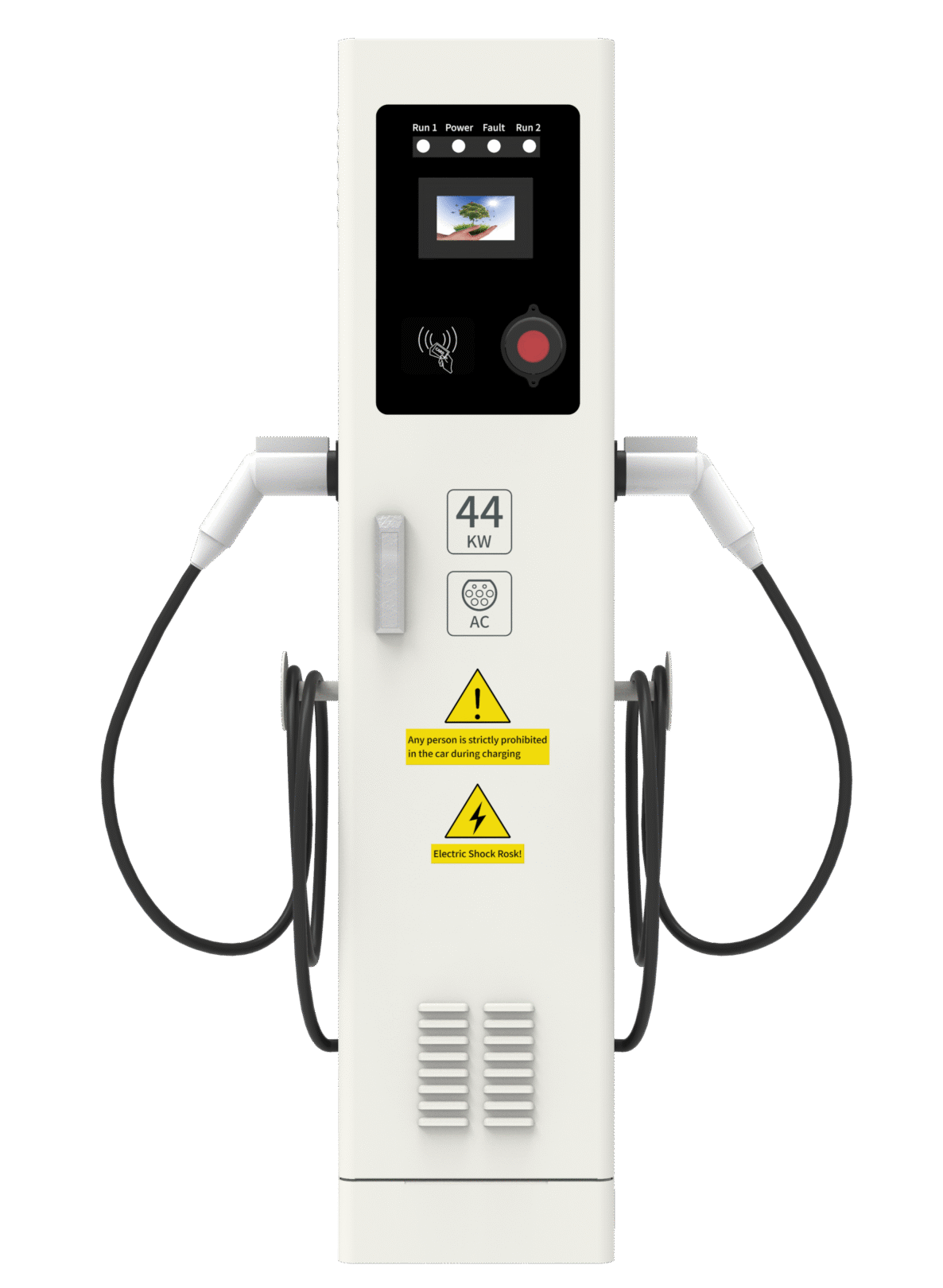
FlexSail Series
Interested in the Portable AC Charger?
Contact our sales team to discuss your requirements and get a customized solution.